Explore Our Interactive Map

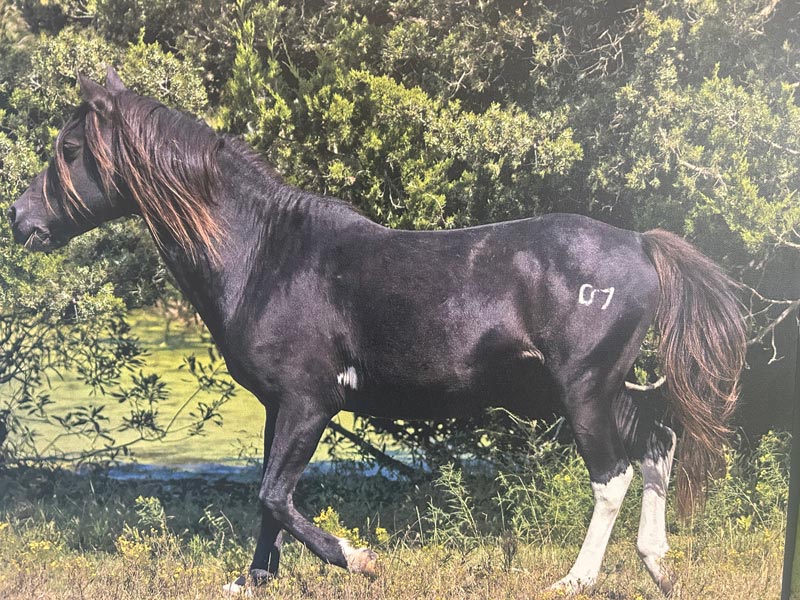
Pony Wall
Donated, by local pony expert Darcy, this wall includes photographs from the annual roundup and the ponies during their everyday life on Assateague.
Pony Wall
Donated, by local pony expert Darcy, this wall includes photographs from the annual roundup and the ponies during their everyday life on Assateague.
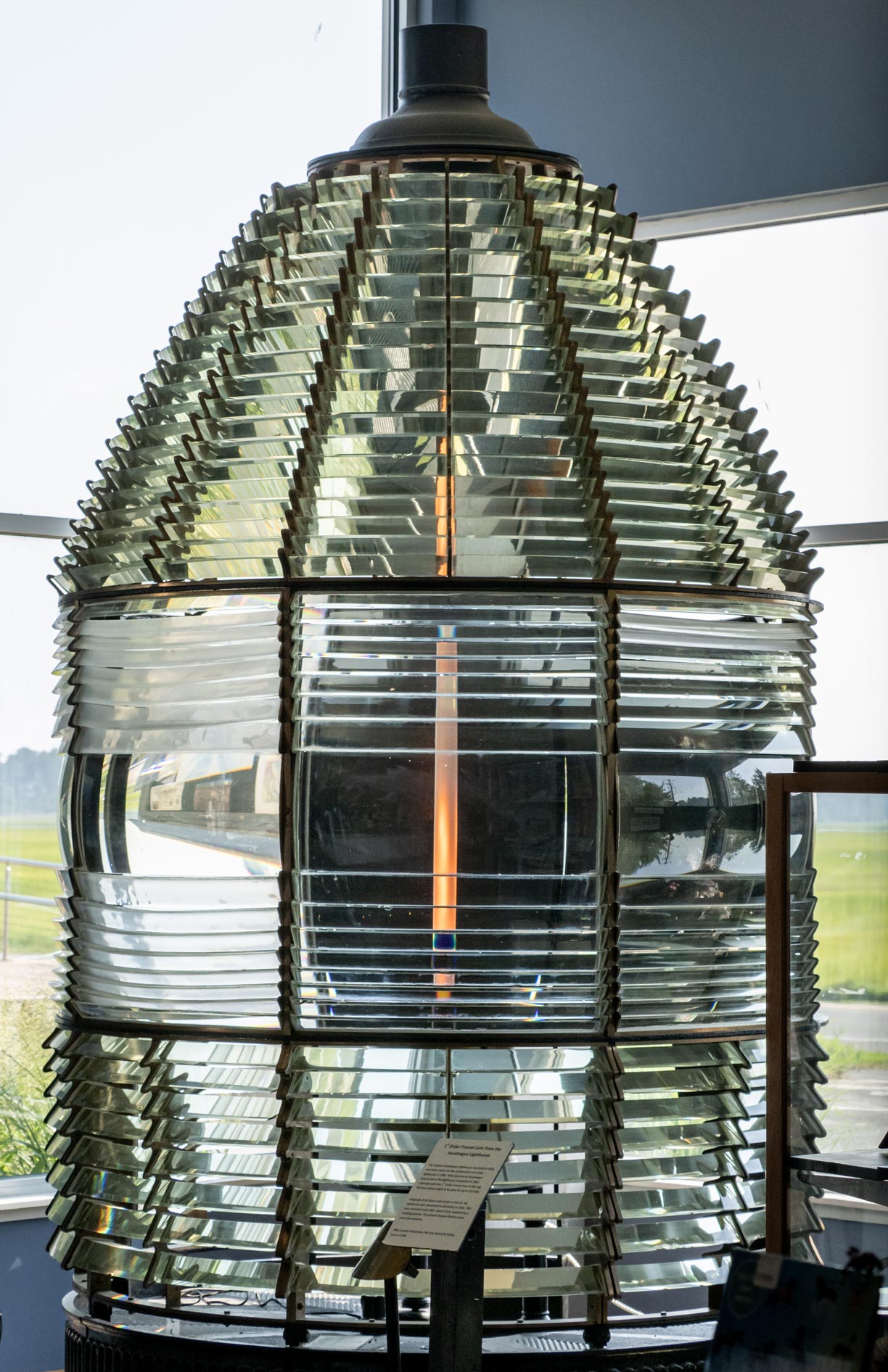
Lighthouses & Coast Guard
This exhibit features a rare 1st order Fresnel lens. Originally, this artifact was the original lens from the Assateague Lighthouse, before it was given to the Museum by the U.S Coast Guard.
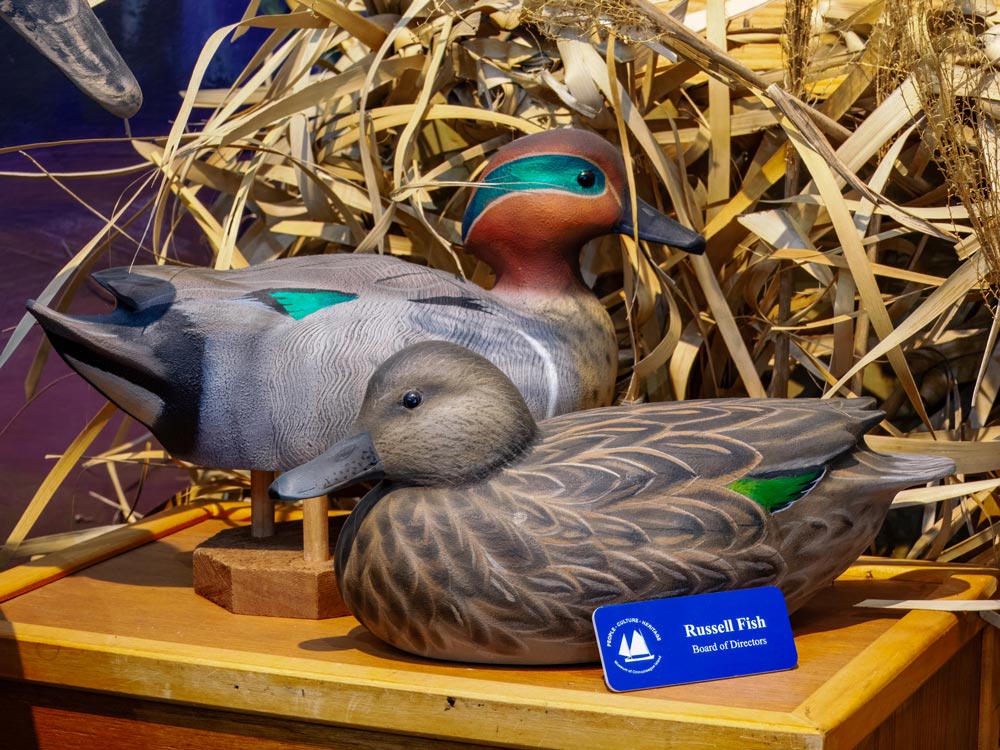
Tarry Awhile
Decoy Carving is an important aspect of Chincoteague culture and identity. This exhibit highlights the craft of hour carving pioneers displayed against a painted mural.
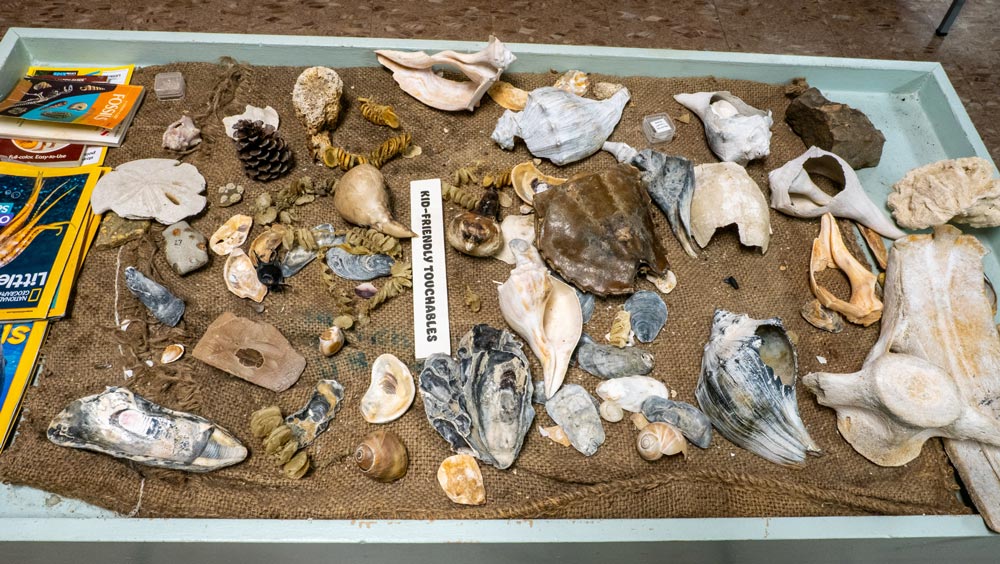
Touch Table For Kids
This interactive exhibit includes shells, bones, and coastal treasures that little hands are free to touch and explore.
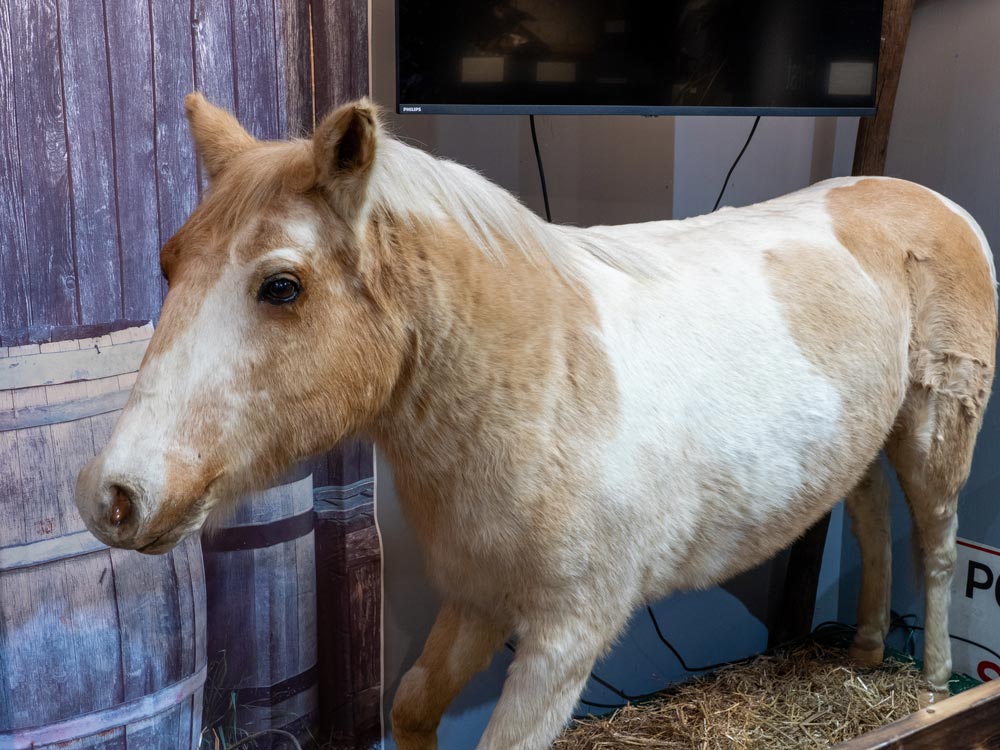
Misty of Chincoteague & Stormy
We are grateful to be home to the infamous Misty of Chincoteague and Stormy, her foal. This exhibit immortalizes this iconic pony and celebrates her impact to Chincoteague.
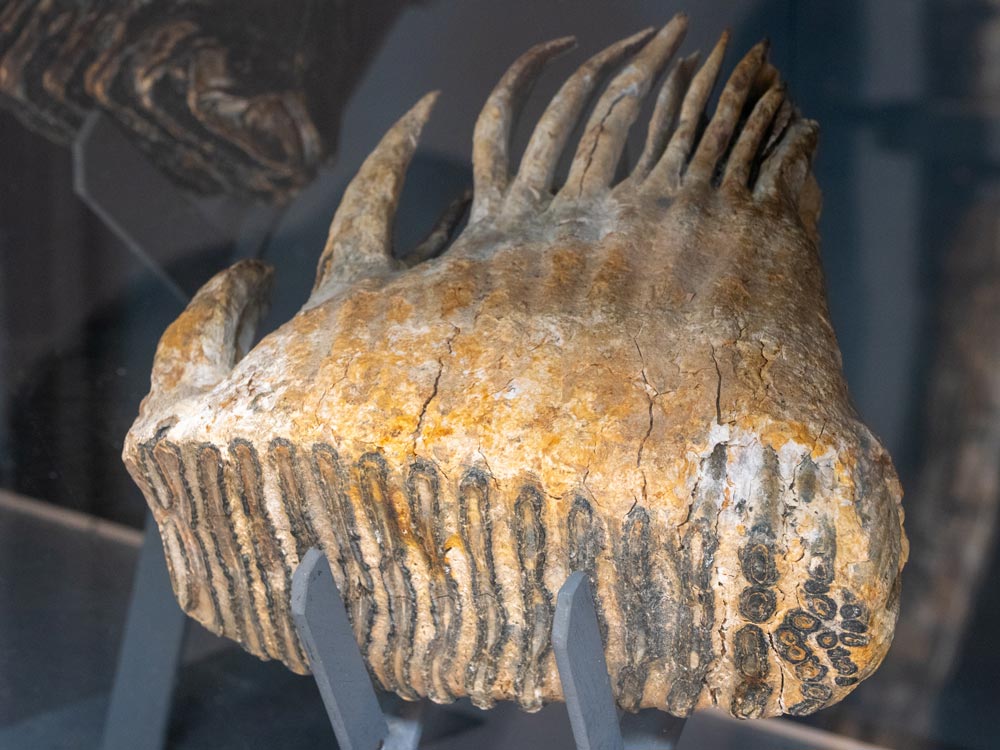
Before Man
Artifacts in this exhibit showcase the ancient geography and ecology of Chincoteague and Assateague Island. It includes mammoth bones and a walrus tusk.
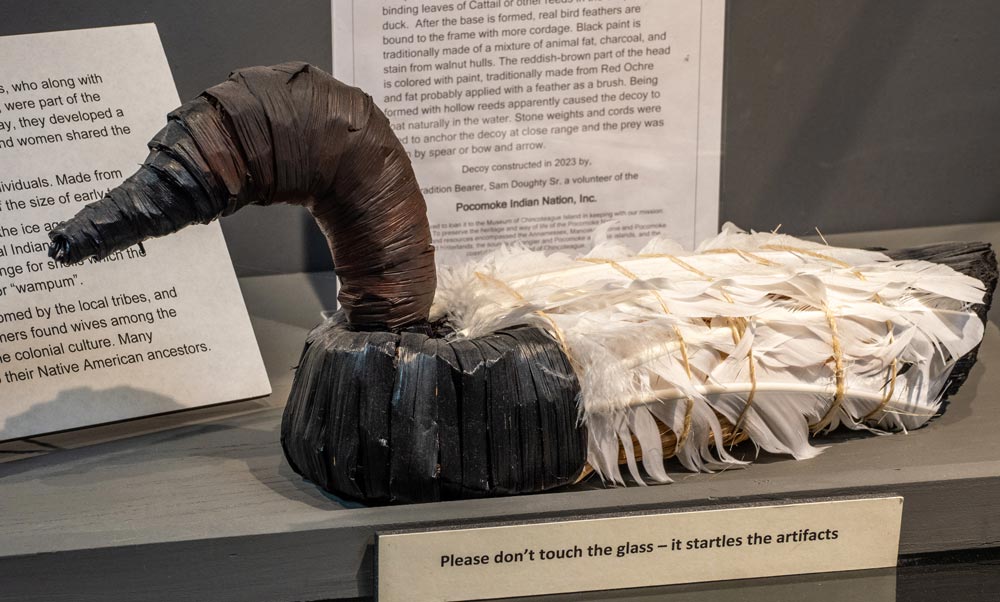
First People
Although Native Americans did not live on Chincoteague Island, they regularly traveled to the Island by boat to harvest shellfish. The indigenous name for the Island is still used today. Chincoteague translates to "beautiful land across the water."
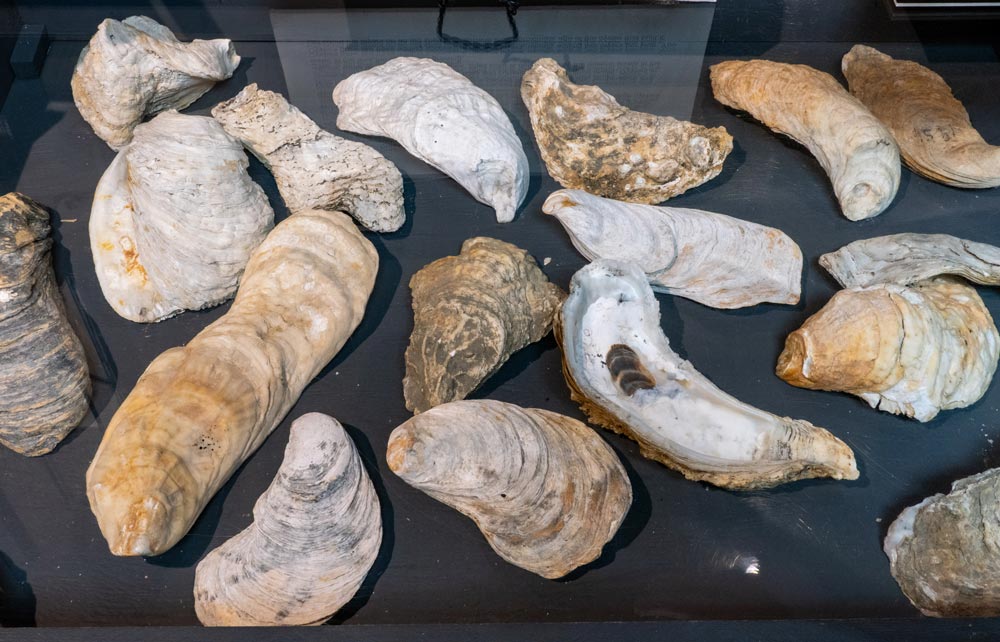
Ancient Oysters
These large shells resemble the oysters that early settlers would have harvested.
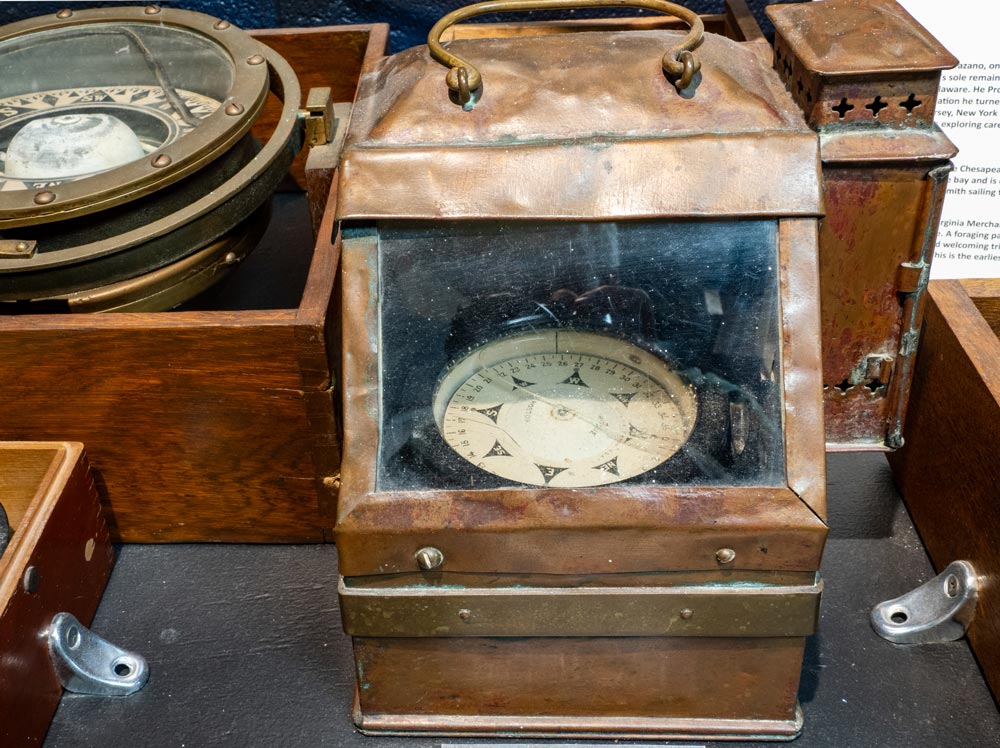
Explorers
Navigation tools help mankind make sense of the world and it is a critical part of travel. The compasses in this display utilized several unique mechanisms to allow for exploration before GPS.
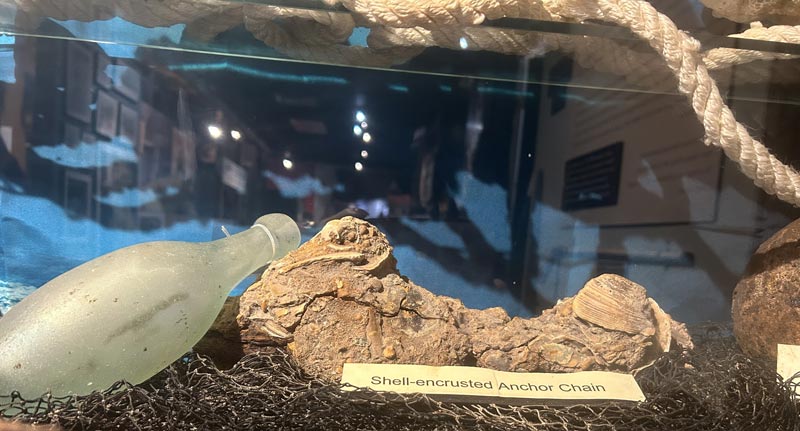
Shipwrecks
This exhibit highlights various shipwrecks and includes salvaged items, anecdotes from the sea, and local lore. Highlights include a 19th century dictionary and some newspapers.
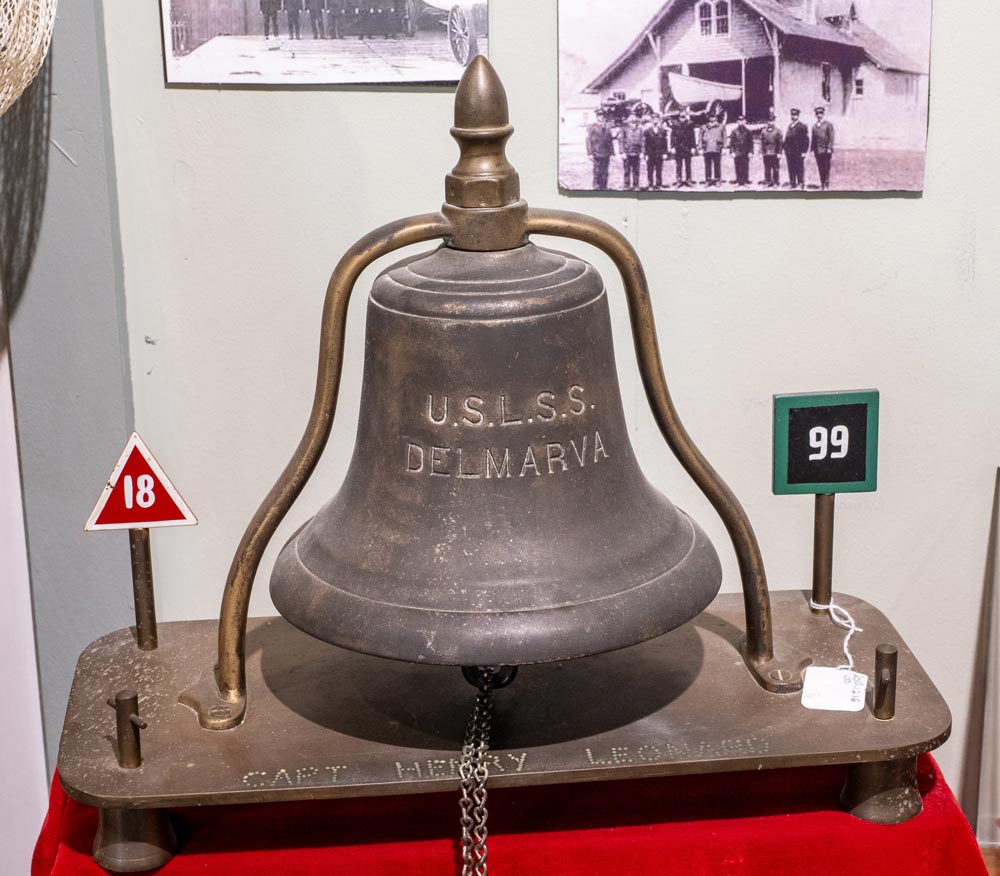
US Life Saving Service
Established in 1848, the United States Lifesaving Service aimed to rescue endangered mariners and passengers. In 1915, the Service merged with the United States Coast Guard. Local members of both the Lifesaving Service and the Coast Guard are honored on this wall.
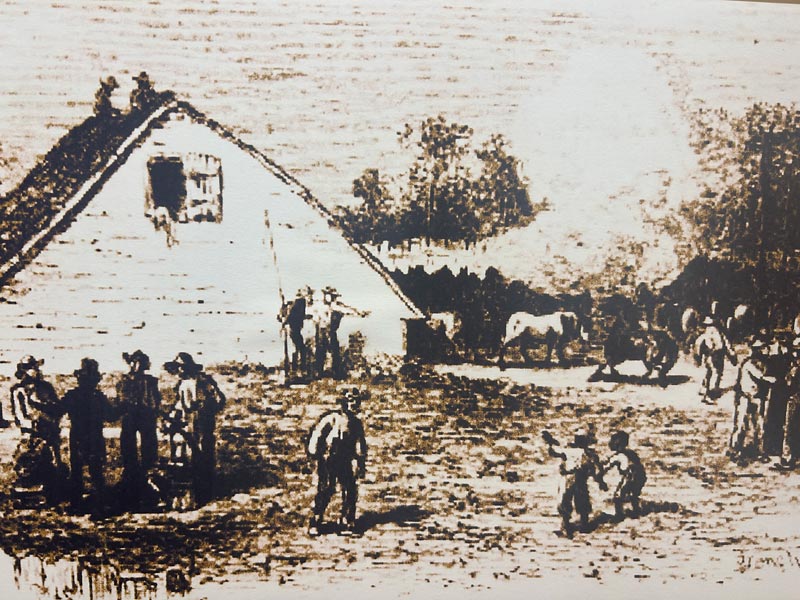
Early Settlers
The first inhabitants to the Island used various tools to survive. This photo showcases agrarian tools, used to cultivate crops; however, this exhibit also features toys, weapons, and books.
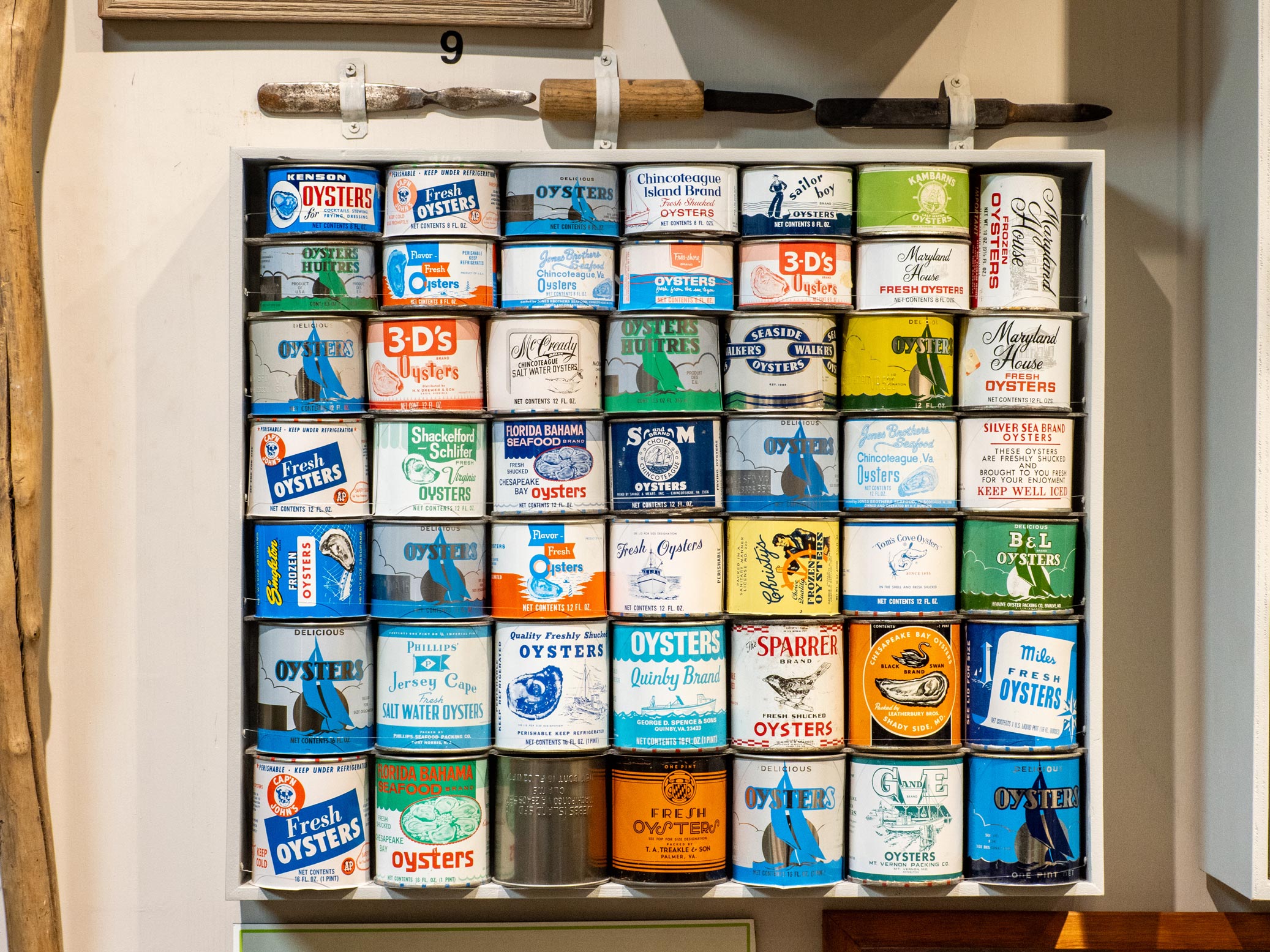
Seafood Is King
Seafood production has long been a significant part of Chincoteague culture, heritage, and economic development. Specifically, the oyster industry put the Island's seafood on the map, as people all over the country sought the infamous "Chincoteague Salts".
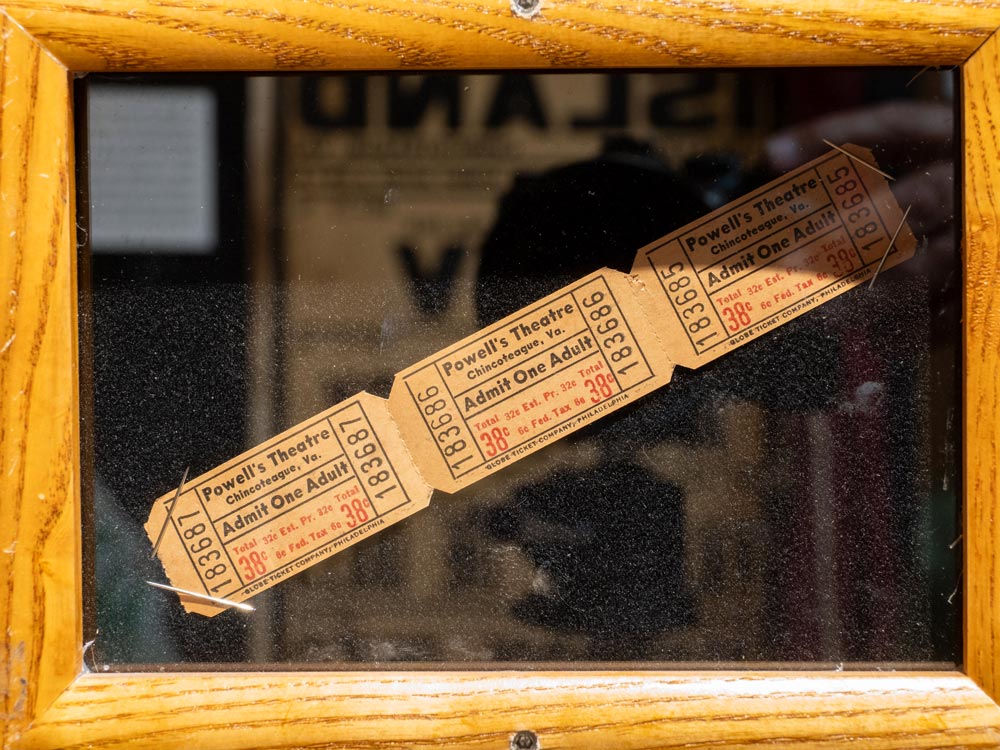
Island Theaters
The entertainment industry has been surprisingly relevant on the Island, housing the first opera and movie houses in the Virginia Eastern Shore. Starting in 1909, Powell's Opera House started the cultural phenomenon.
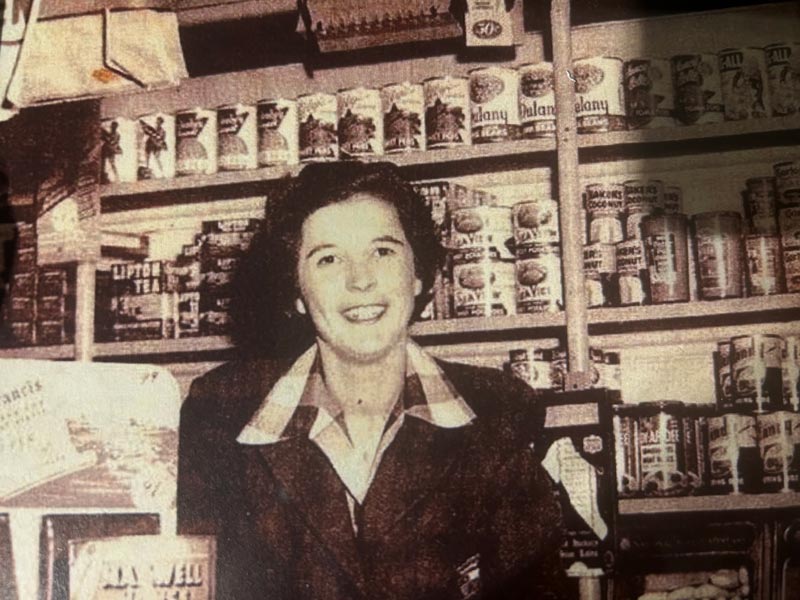
Enterprise
This exhibit highlights the bustling emergence of industry on the Island. Entrepreneurs established bakeries, lodgings and storefronts and the oyster industry continued to flourish.
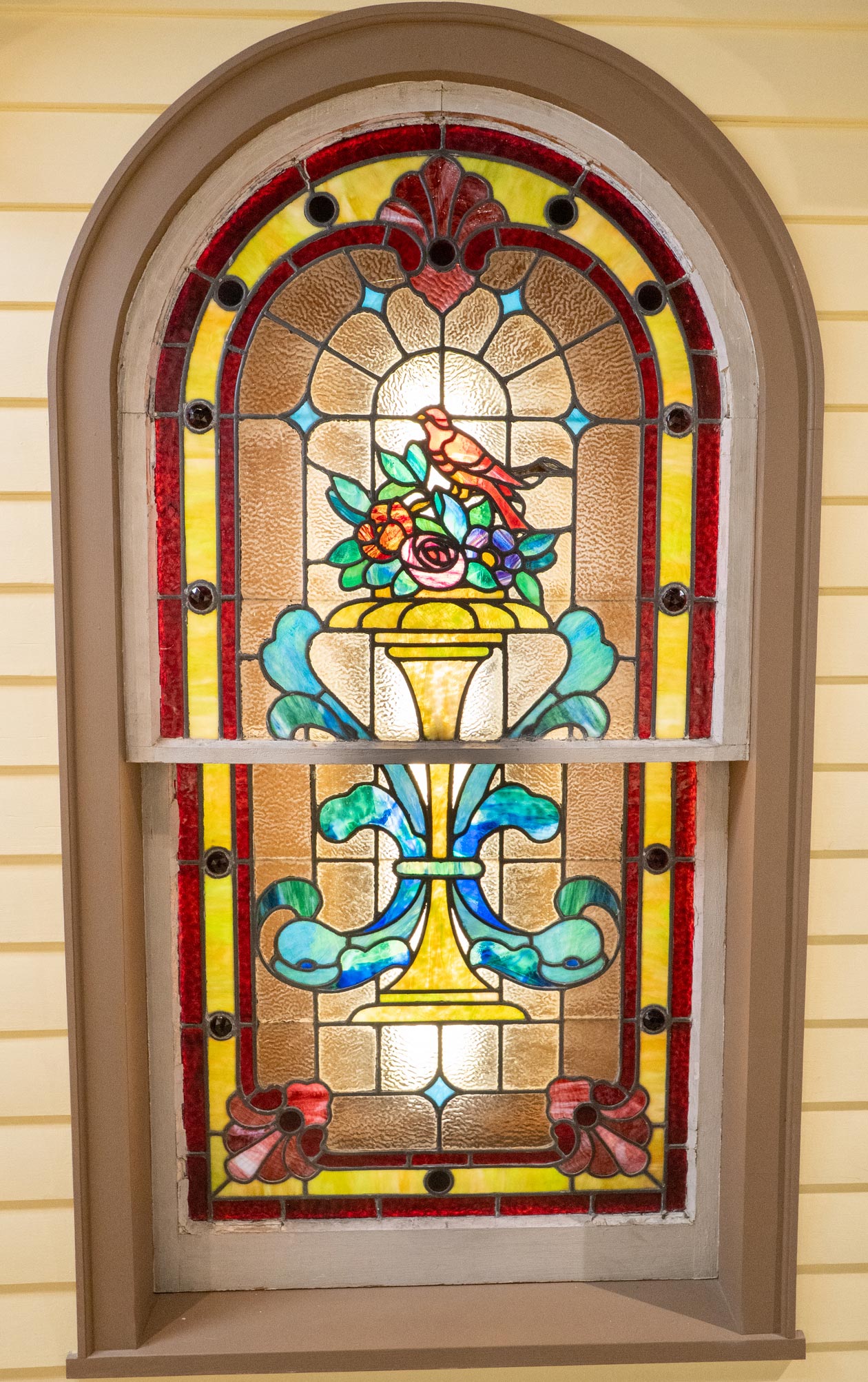
Gilded Age
The Victorian Era brought ornate architecture to the Island. Some homes still exist today, while others have been completely transformed.
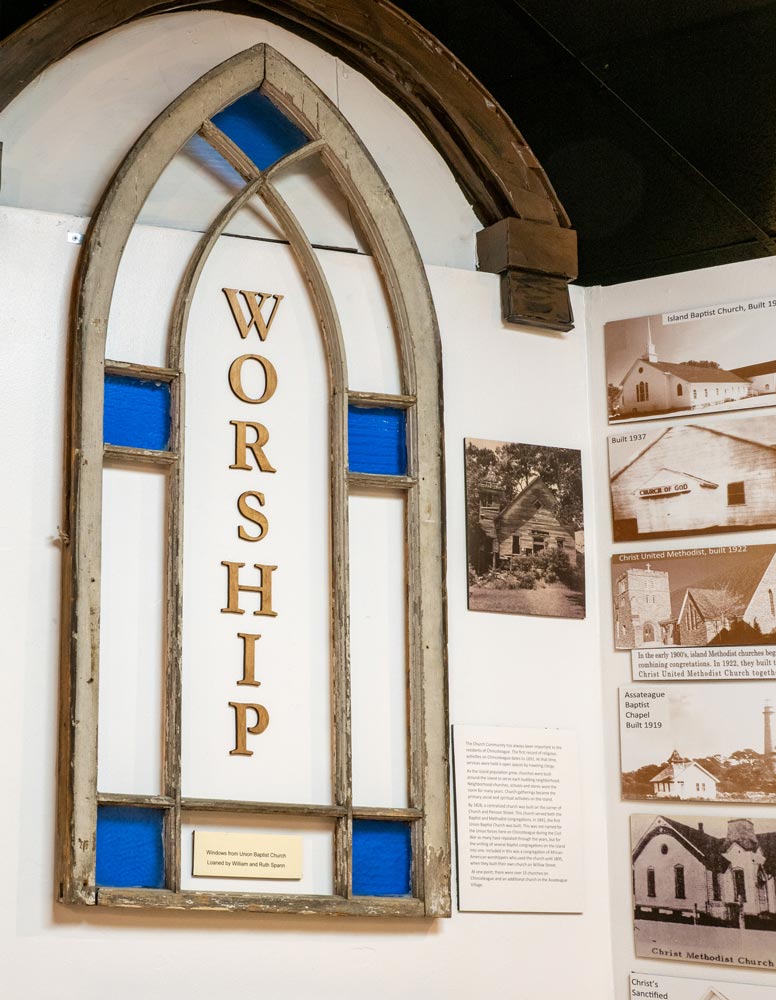
Worship
Religion is a well-established part of the community on the Island. This exhibit houses several artifacts surrounding churches and original images of churches.

Connections
This exhibit focuses on the evolution of the Island's connection to the mainland, including boats and automobiles.
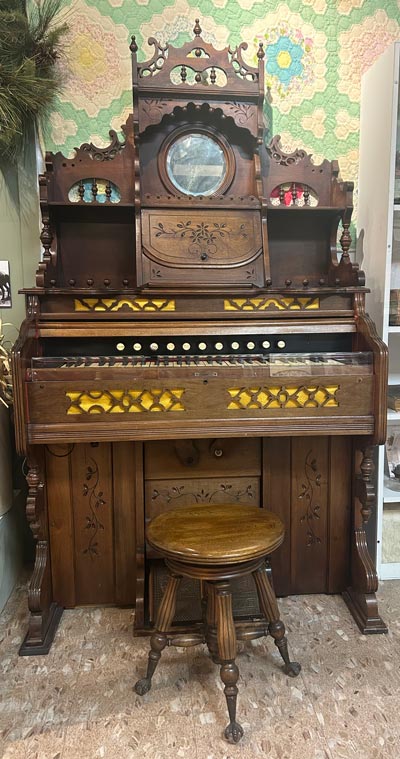
Assateague Village
Historically a small community called the land surrounding the Assateague Lighthouse home. During the 1920s, the Assateague Village moved onto Chincoteague Island.

Chickens
The poultry industry served as a main source of income and primary industry for residents of Chincoteague. This exhibits details why that is no longer the case today.
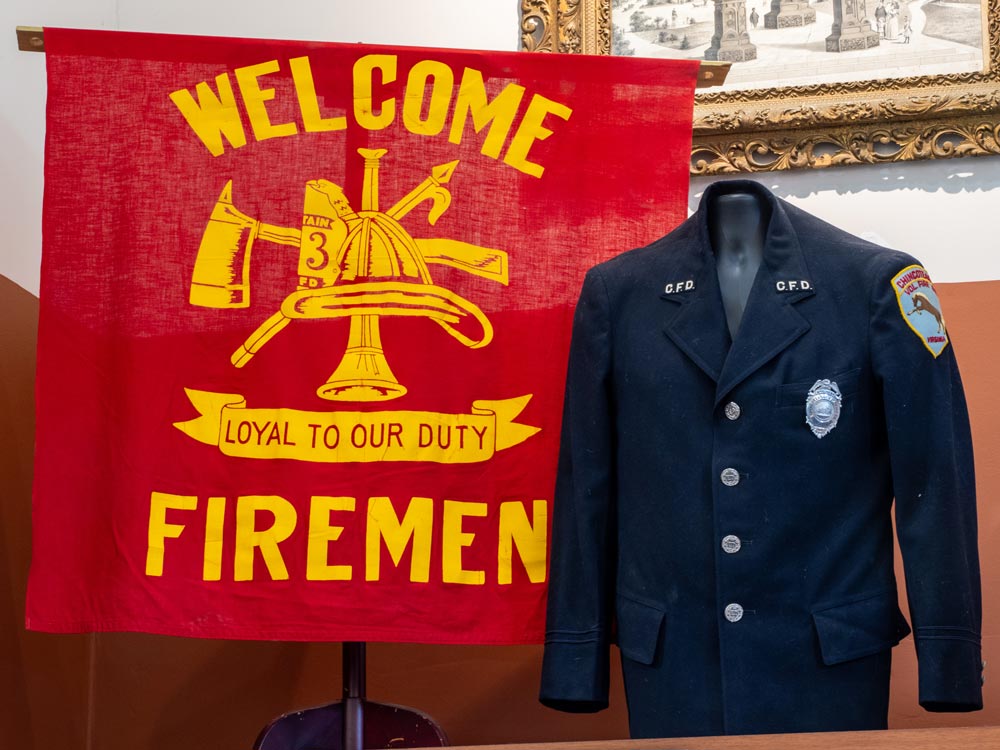
Fire Company
This part of the Museum honors the history of the Chincoteague Volunteer Fire and contributions and strong commitment to public safety.
1800s Fire Truck
Purchased in the 1920s, this hand pumped firetruck solidifies the lasting impact of the fire company and how far they have grown.
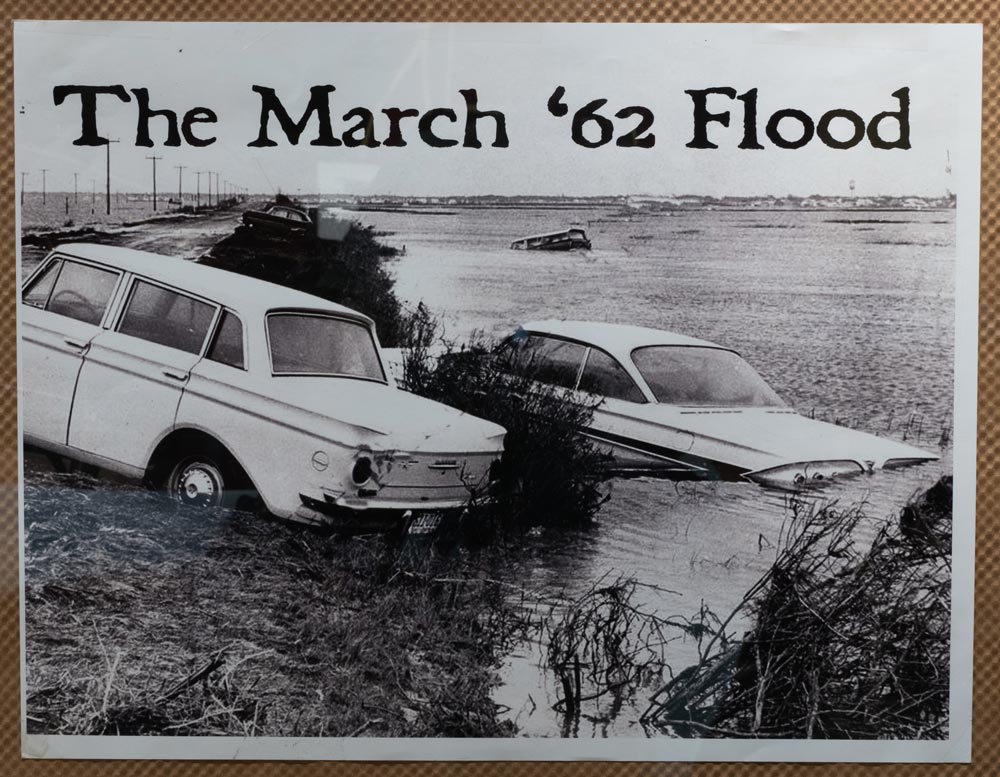
Resilience
Fires and Floods! Hear eyewitness accounts of the 1962 storm and get a full understanding of the impact it had on Chincoteague.
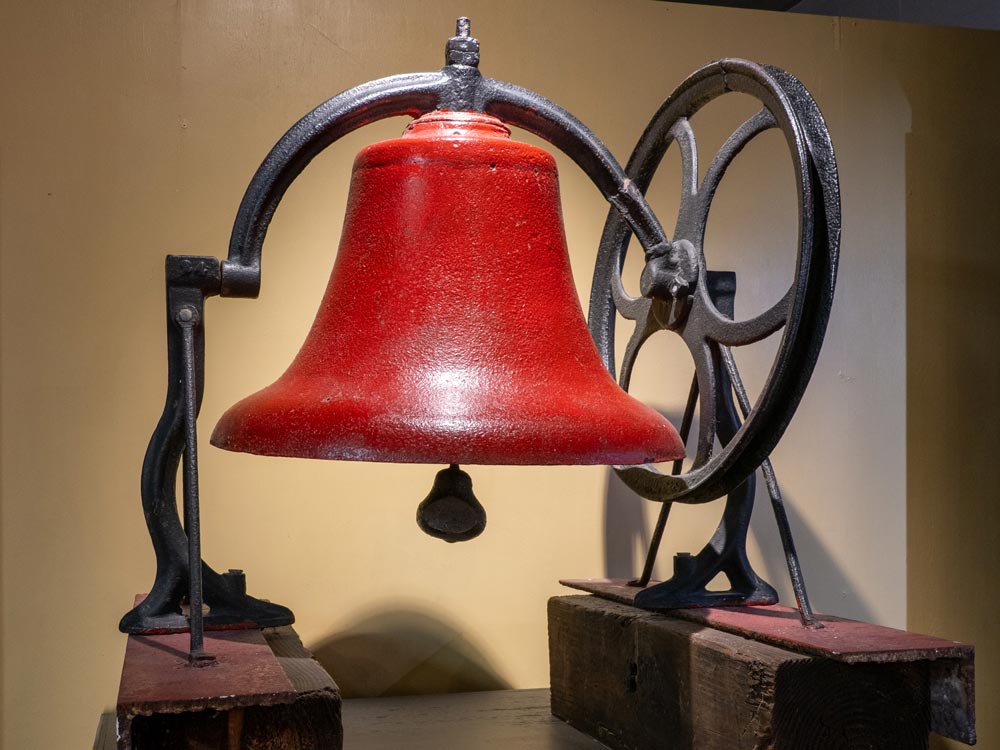
Education
This exhibit houses school memorabilia, including yearbooks, historic photos, and a letterman jacket.
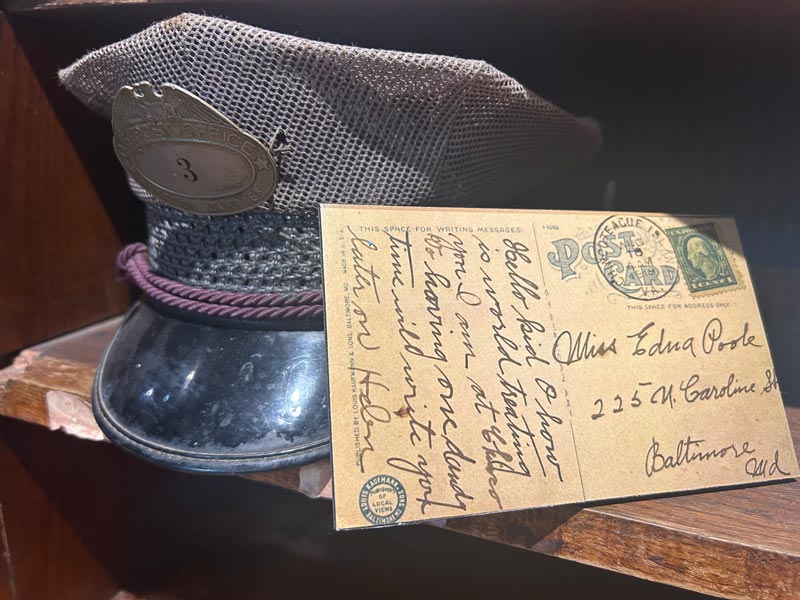
Post Office
The post office has long been an important place on the Island, acting as a hub for communication off the Island and for between inhabitants.
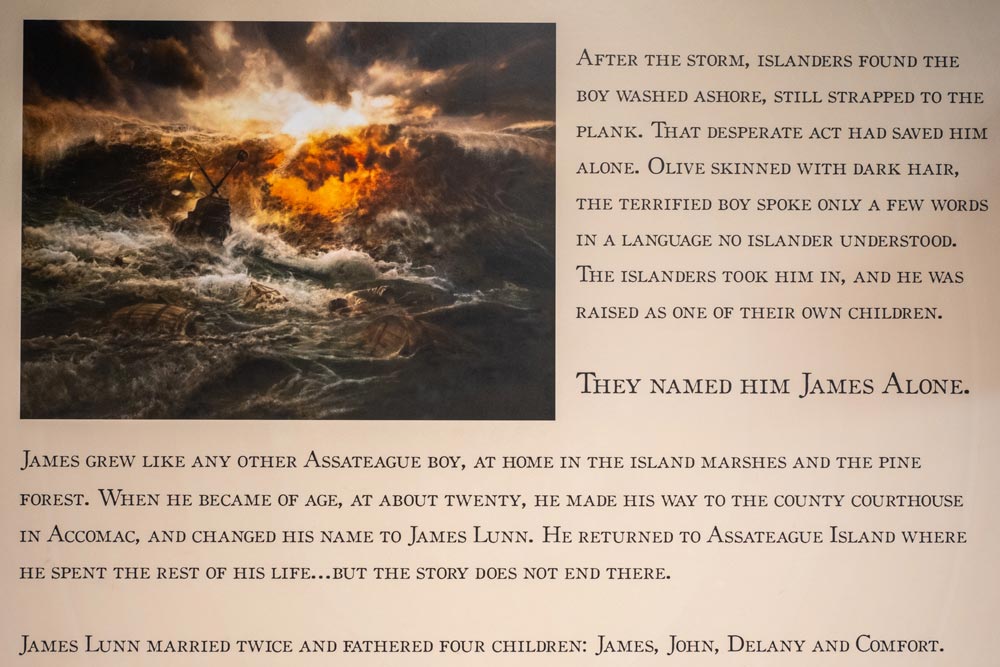
James Alone
James Alone was a 19th century shipwreck survivor who has made a profound mark on local lore. This exhibit features his full story.
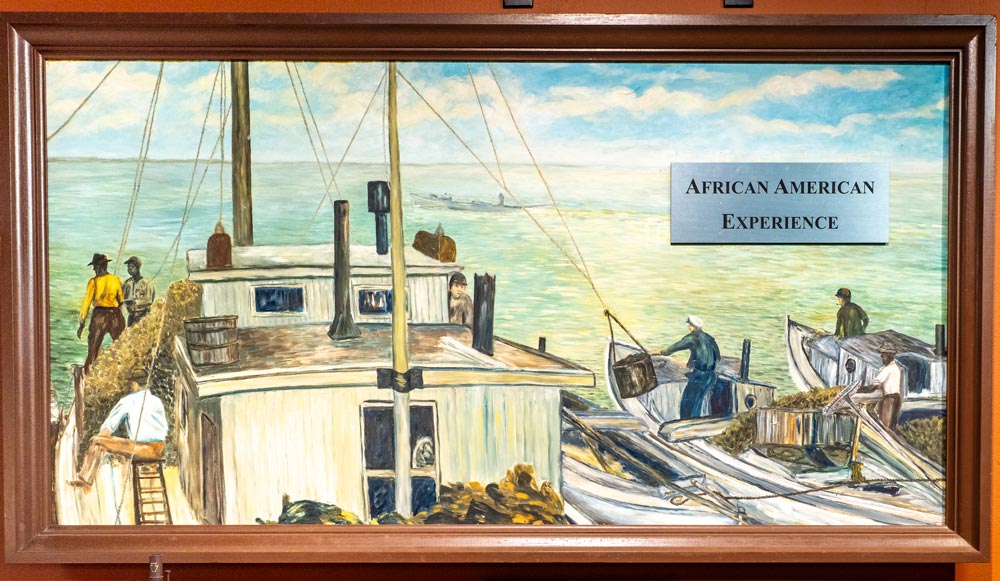
African American Experience
This exhibit showcases the African American experience on the Island. Specifically, William Major Parker who was a pioneer African American lighthouse keeper at Killick Shoal Lighthouse.
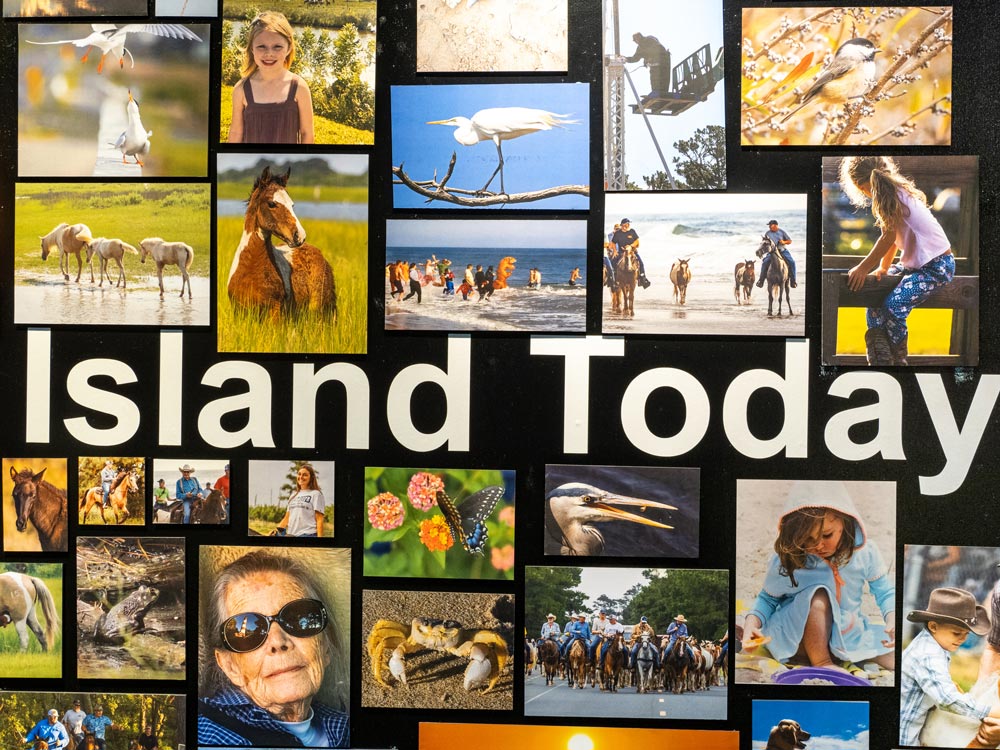
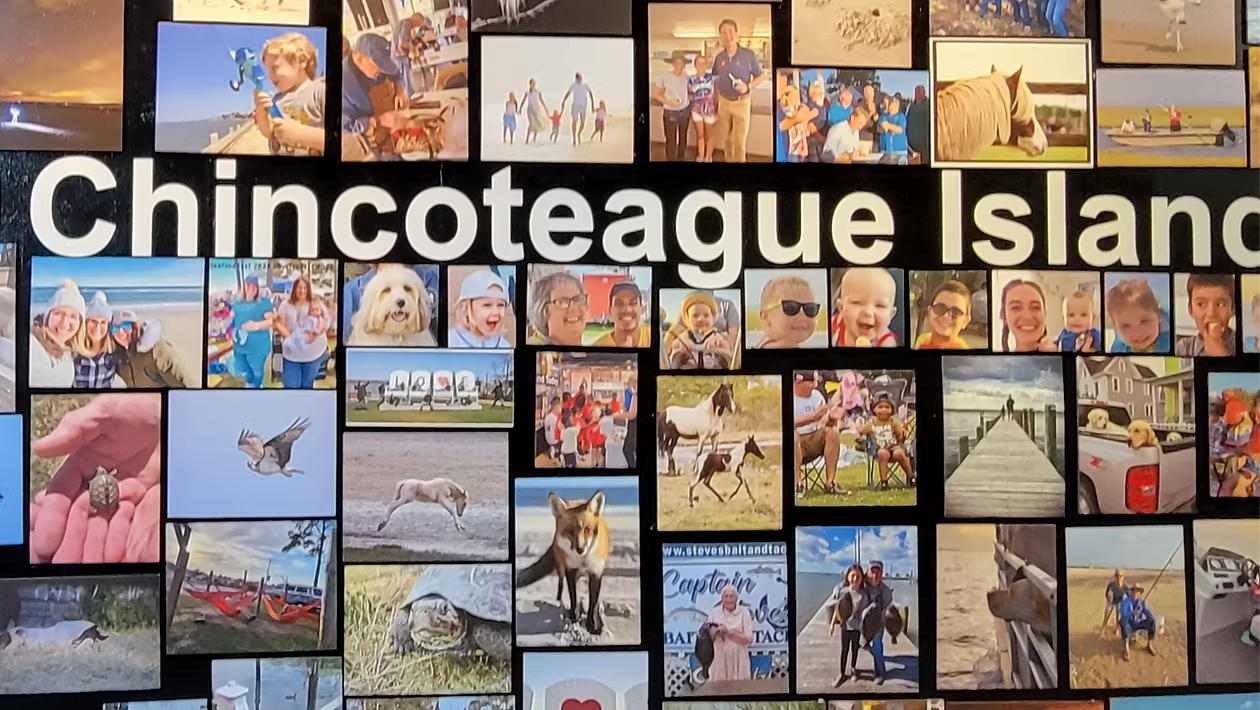
Chincoteague Today
Recreated each year, this wall honors life on Chincoteague and Assateague Island today. Community members submit their favorite photos from throughout the previous year for a chance to be featured.
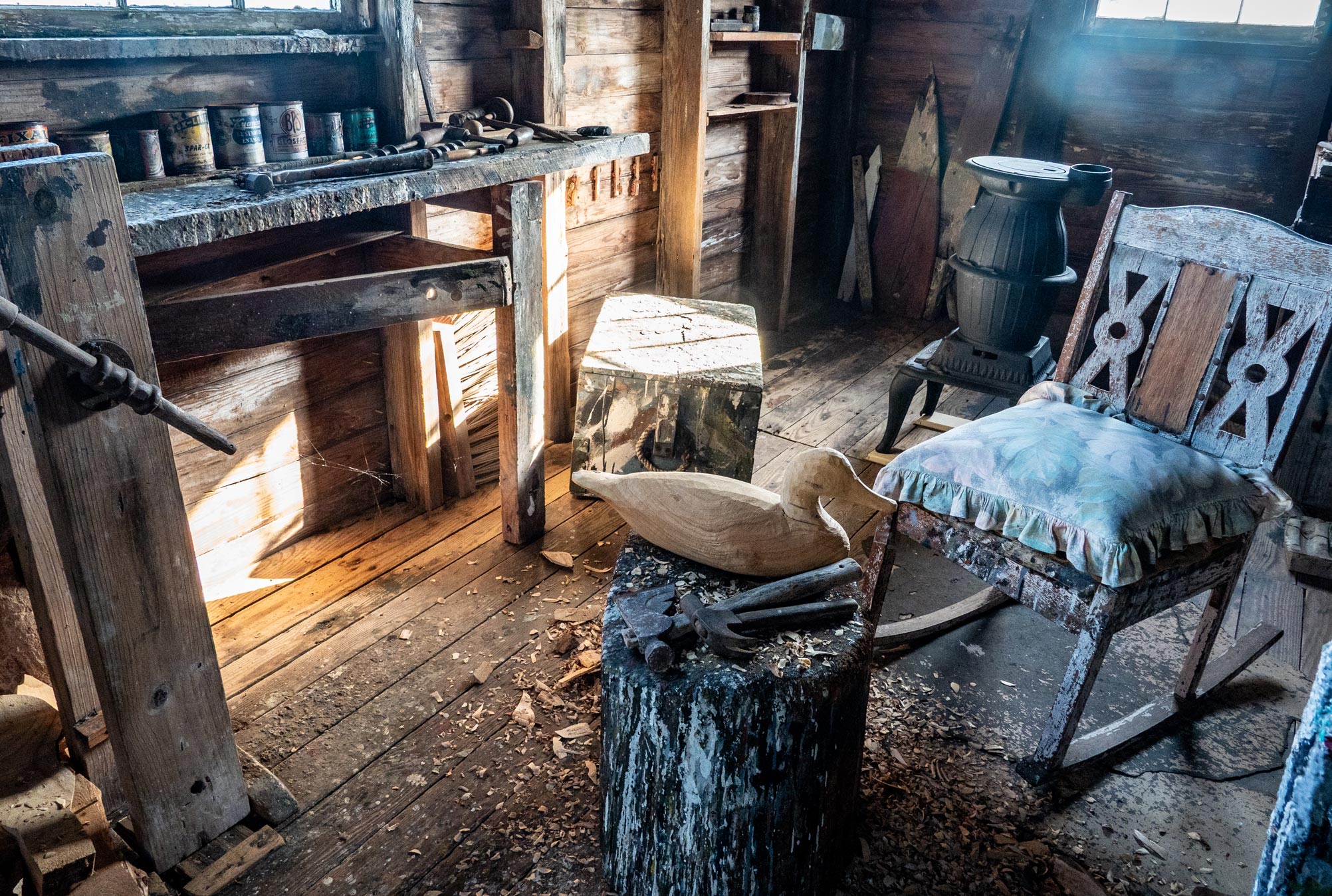
Miles Hancock Workshop
Miles Handcock was a renown decoy carver, native to the Island. After his death his workshop and carving tools were donated to the Museum. The shed is "frozen in time," featuring shavings and projects in progress.
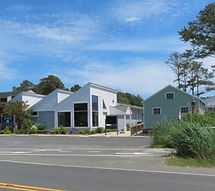
Maddox Research Library
Reference library
Chincoteague Today Wall
The Chincoteague Today Wall serves as our tribute to the present day. It is comprised of photos sent in by the public annually, which capture the culture and heritage of the Island. Each January, the Museum hosts a photo contest, inviting residents and those who have visited the Island to send in their favorite photos as long as they were taken in the last year. If you submitted a photo for 2026, be sure to visit the Museum to see if yours was chosen.
Interested in participating next year? Be sure to follow our social media pages, where information about the contest will be posted.